
Bridging perspectives: communicating, connecting and creating with Naomi
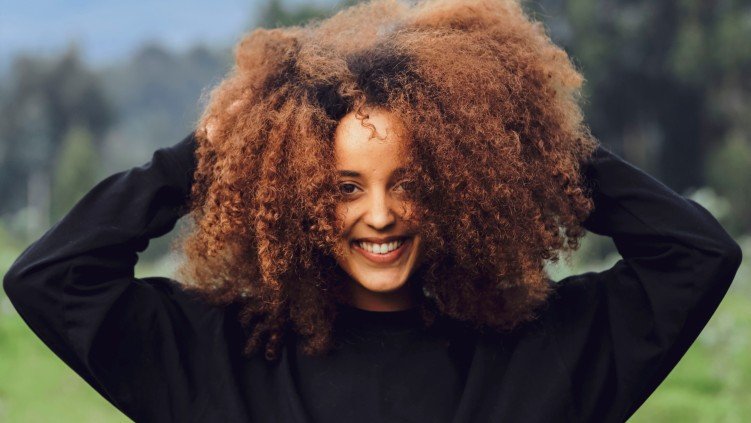
R: Can you tell us a bit about who you are, where you’re from and what your role is at Ravel?
N: I’m Naomi. I have roots in both Belgium and Rwanda, so I’ve always felt a bit between the two. But Rwanda is where I feel most at home. I’m really happy to be part of the Ravel team in Kigali, working as a brands and campaigns manager.
R: So glad to have you! What inspired you to join Ravel?
N: What really drew me to Ravel was their approach to communication. The projects felt creative and meaningful, and that combination is important to me. I’ve always wanted to work somewhere where people genuinely care about the work they do. And the fact that Ravel is so connected to Rwanda made it feel like the right place for me.
R: What’s a surprising skill or talent you have that you think will benefit your team?
N: I think one of my strengths is being able to bridge cultures. Growing up between Belgium and Rwanda taught me to look at things from different perspectives. I naturally think about how different audiences might see or understand something, which is such a core part of the kind of communication work we do at Ravel.
R: What movie title describes your experience so far – or what movie title best describes you?
N: I’d say Ratatouille. It’s about a young kitchen worker who ends up being guided by an unlikely mentor who’s an amazing chef, and together they learn, experiment, and grow in a demanding creative environment. The message that great ideas can come from unexpected places feels so true to creative communications. You need to stay open-minded and not be afraid to explore new ways of thinking.
That fast-paced kitchen energy is a bit how my time at Ravel has felt, too! I came in with some solid experience, but working on new challenges and getting guidance from the team helped me grow quickly and achieve a lot.
R: What theme song would you choose to set the tone for the day?
N: I’d probably choose “Who Knows” by Chronixx. I like listening to reggae when I’m in a good mood or in the mornings, because my mom used to always play reggae — mostly Bob Marley, during breakfast. I kind of grew up with that sound in the background, so now I naturally associate reggae with starting the day. It just puts me in a positive, relaxed mindset.
R: What's something you’ve learned at Ravel so far – an 'aha' moment or something you wish people knew?
N: One thing I’ve really learned at Ravel is the way we think about communication. When a client asks for something, we don’t just jump straight into making a deck or a document. We first try to understand what’s behind the request, where it’s coming from, who the audience is, and what the real goal is.
It made me realise that communication is about asking the right questions and making sure what we create will be useful and have an impact after we deliver it. That shift in thinking was a big learning moment for me.
R: At Ravel, we emphasise creativity as a force for good. Why, in your opinion, does creativity matter?
N: For me, the creative work that has really stayed with me was always something authentic and original. It’s the kind of work you remember years later, because it made you feel something or see things differently.
In the kind of work we do, that’s the goal, we want people to connect with what we create, and hopefully carry that idea with them afterwards. Creativity is what makes communication more human, more relatable, and more impactful.
R: How do you envision Ravel promoting and contributing to creativity in Rwanda?
N: I think Ravel can contribute to creativity in Rwanda by continuing to work closely with local talent and collaborators. There’s so much creativity here, and it just needs the right platforms and opportunities to grow.
Through the projects we take on and the people we work with, we can help create space for new ideas and different voices. Even small things, like who we collaborate with or how we approach a campaign, can have an impact on the creative ecosystem.
R: If you could bring one aspect of Rwanda’s vibrant art and expression scene to the global stage through Ravel’s work, what would it be?
N: I’d say our storytelling. Rwanda, and especially our youth, have been rising so much in recent years, and there are so many powerful, creative stories coming out of that.
It’s not just about modern stories, it’s about our culture, our history, our resilience, and the different experiences that shape who we are. A lot of the world still has a very limited perception of Rwanda, and sharing these stories in an authentic way can really help change that.
R: How do you collaborate with other creatives in and outside of Ravel? Why is it important?
N: I’m a very social person, so I naturally enjoy working with different people. At Ravel, we collaborate with all kinds of creatives depending on the project, and I really love that part of the job.
For me, collaboration usually starts with just talking to people. I like hearing about their stories, what they do, and what they’re passionate about. That connection makes it much easier to work together and create something that feels more real and interesting. I think the work is always stronger when it comes from different perspectives.
R: If you could collaborate with any historical or present Rwandan figure/creative on a project, who would it be and why?
N: I’d choose Louise Mushikiwabo. She’s had such an important role in representing Rwanda internationally, and I imagine she has a really interesting perspective on how the country is seen around the world. I’d honestly just love to hear her stories and learn from her experience, and then maybe work together on a project that helps share Rwanda’s story even further.
R: What’s an African or Rwandan brand you love right now and why?
N: I really like Uzuri. They make beautiful sandals locally, and the quality is really good. Before moving to Rwanda, I was more of a sneaker girl, but here you definitely need a good pair of sandals. The brand's focus on local production and celebrating Rwandan identity really stands out to me. It’s nice to see a brand that combines good design with a strong story and purpose.
