
Ravel through the eyes of content creator Benie
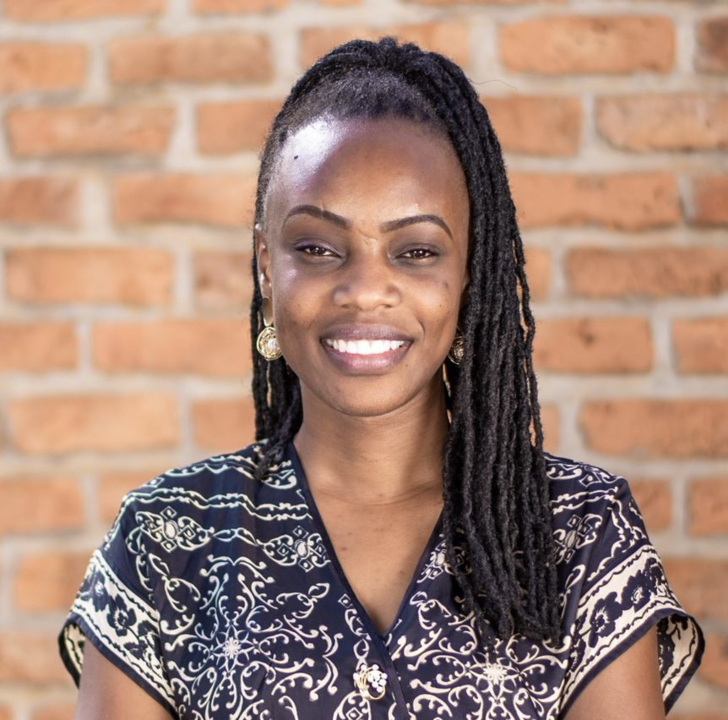
Photograph credit: HerveIR / Herve Irankunda
We caught up with Benie over coffee and chatted about Ravel, why creativity matters and her superpower! Take a look …
R: Benie Muraho! Can you start by introducing yourself and what you do here at Ravel?
B: My name is Benie Claudette Iriza. I’m a content co-ordinator at Ravel and I live in Kimironko, a great neighbourhood in Kigali City the capital of Rwanda. My background is as a mixed media journalist – so I research, write, present, photograph, and create content. I also project manage, and support with communications.
R: Can you tell us a little bit about a recent project you’ve worked on and your role within it?
B: So, a recent project I’ve been working on has been developing a brand called Yaya. It is for girls in Mozambique with low literacy or who haven’t had a chance to go to school, we’ve been creating content to help them learn about their reproductive health, relationships, sexual consent, how to plan for pregnancy, information that all girls need during adolescence. The content is audio and visual in format and lives in an app on tablets that are given to the girls and is designed specifically for them. We use drama, quizzes and talk show formats and the content is woven together through a character called Yaya – a girl that our audience can relate to, who keeps our girls company so that they feel at ease and confident using the app.
R: And how do you ensure content is authentic and engaging for these girls, particularly as you are working across different languages and dialects?
B: It’s a very careful process. We worked with partners in Mozambique to find and create an authentic cast who speak Ndua and Sena and with a team who can translate the content accurately. Importantly we do research – every time we have content it goes back to girls, we have them listen and give us feedback about whether it is really what they need and if it is speaking to them.
R: Ravel is a global organisation founded in Rwanda. In many ways the Ravel story starts in Rwanda. What does this mean to you?
B: So, for me, Ravel being founded in Rwanda, having our physical office here, I see that as a gain for Rwanda. Ravel can be a source of learning and growth as it connects the creative and communication sector here to expertise and clients globally, in places like the UK and New Zealand. Ravel also helps bring Rwanda to the world – Rwandan perspectives, talent and expertise that can help solve global challenges, outside of Rwanda. This is something I’m excited about and makes Ravel different.
In addition, being in Rwanda, really understanding the context and what it means to do work here has inspired us to understand the challenges and opportunities of working in other African countries and cultures. Our team all met, worked, and bonded in Rwanda – so our experience, learning and bond helps us to work in new places and cultures.
R: How would you describe Ravels’ work to friends and family?
B: I would tell them that we work with clients who want to bring about positive change in people’s lives. We help them bring about change through communications, brand building and campaigns. I would explain that marketing and brands aren’t just about selling things or getting money. Brands can be powerful drivers of social change because they inspire belief. When people believe in what you’re doing, and share that belief, they are more able to bring about change in their lives.
R: Here at Ravel, we talk about creativity as a force for good. Why do you think creativity matters?
B: There can be a perception that when you talk about creativity, you are talking about an artwork like paintings or well-designed clothes, but creativity is also the way you approach challenges. So, I would say that creativity matters because it can help you to solve problems with a curious, creative mind. I believe creativity is about art and expression but more than that it is a way of bringing about change, something new.
R: What is your top tip for creating brilliant, engaging content?
B: My top tip is to find a way to put yourself in the shoes of people you are creating content for. For example, I remember creating content around how to discuss a difficult topic with a partner. I thought back to my adolescence and remembered how I could not even look someone in the eye. So how do you tell a person who is like me when I was young to approach a person or have a difficult conversation with a parent or partner if she cannot even look them in the eye? Putting yourself in another’s shoes requires deep listening and curiosity, especially when their life experience is different to yours.
R: What is your favourite thing about the Ravel team?
B: My favourite thing about the Ravel team is learning. It’s like our superpower. We understand that we do not know everything, and this helps us to learn more and do better. We ask questions, we listen, and we learn from people. Our team, we are always learning from others, and everyone in our team can teach you something.
R: And Benie, what is your superpower?
B: My superpower is that I have a big heart. I believe in the good in everyone. I try to see people first without judging them. I really do believe that everyone has something to offer. Is that a superpower?
R: That is definitely a superpower, and we are so grateful that you bring that to Ravel. Murakoze, Benie.
